
Changes in Selective Service (Edward Hasbrouck, 10 November 2026)
"Changes in Selective Service: Lessons from 45 years of draft registration and resistance for the next chapter in military conscription"
"Changes in Selective Service: Lessons from 45 years of draft registration and resistance for the next chapter in military conscription"


English -
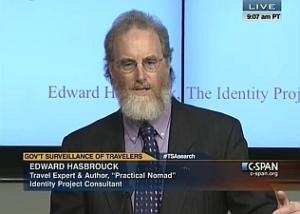
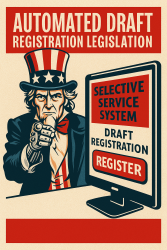
The House won’t get to vote on this proposal to end Selective Service.

English -
español -
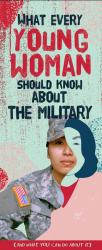
A Brochure for Young Women Thinking About Joining the Military | 2022
"When I joined, I knew that women in the military faced an uphill battle, but I didn't fully understand how serious the issues were and how reluctant leadership is to doing anything about it.
The truth is that there's a culture of harassment and assault that is incredibly harmful to all troops, but especially to gender minorities."
Brittany Ramos DeBarros
Brochure - 30Mar22 Ver (w bleed).pdf