
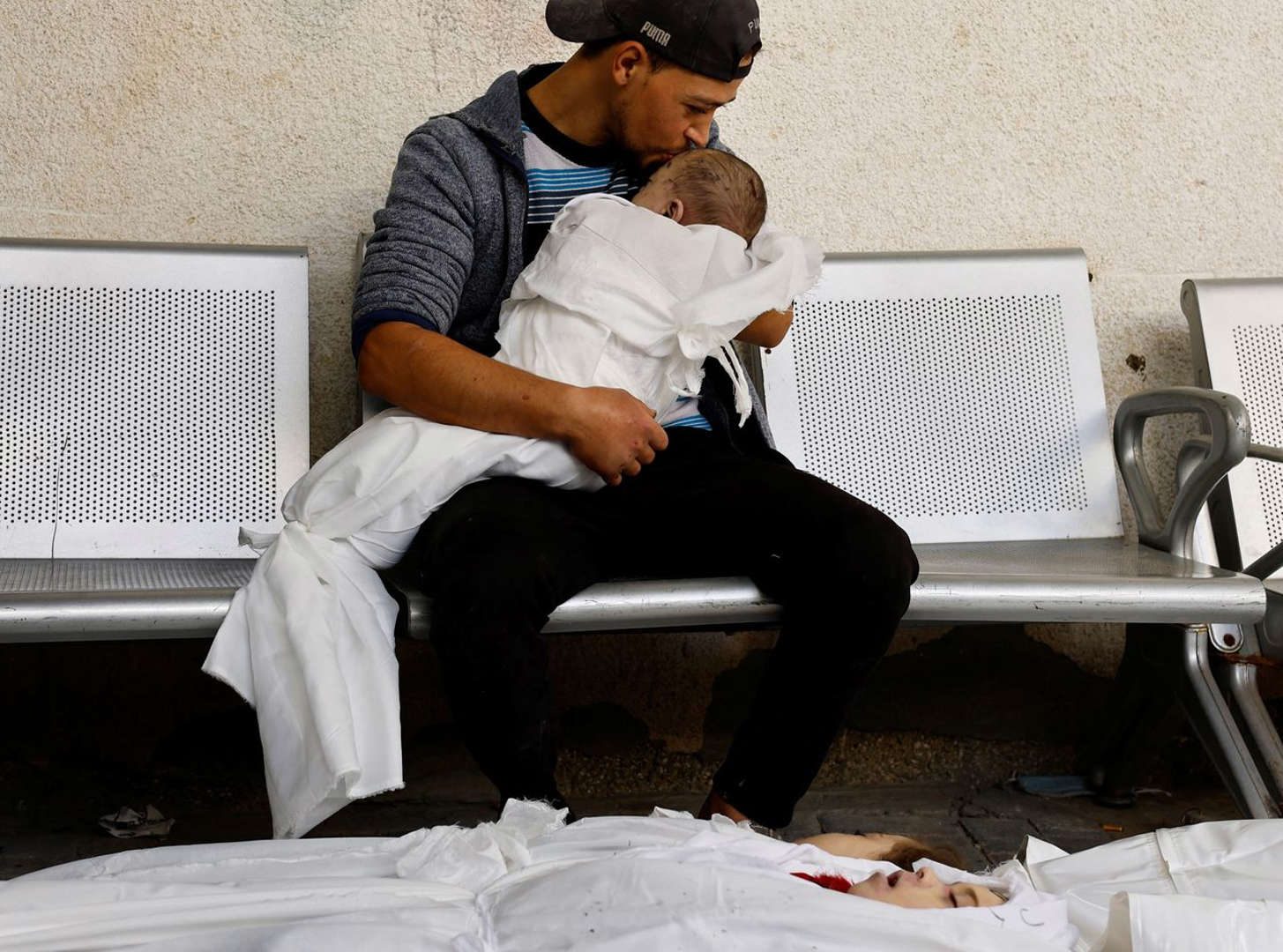
Though the National Network Opposing the Militarization of Youth cannot speak for the network in its entirety, some of the organizations that are listed in our National Directory of Youth Demilitarization Groups have called for a ceasefire in the conflict in Israel and Palestine.
If your group would also like to be added to this list, and you are currently listed in the directory, or in the past have been listed, please send your statement to This email address is being protected from spambots. You need JavaScript enabled to view it. and your group will be added below:
American Friends Service Committee: https://afsc.org/action/call-cease-fire-and-humanitarian-access-gaza-now?ms=WEB24LP001PI
Call for a cease-fire and humanitarian access for Gaza now!
Gaza has been under attack since Oct. 7. Since then, more than 18,787 Palestinians have been killed, over 40% of them children. Another 10,000 are estimated to be buried under the rubble. Over 1.9 million people have been displaced from their homes, and over 60% of homes in Gaza have been damaged or destroyed. Read More
CODEPINK San Pedro: https://www.codepink.org/sanpedro1216
Rep. Barragan: Ceasefire NOW! San Pedro, CA
Join CODEPINK San Pedro 11:30am-12:30pm to rally at Rep. Barragan's end of year legislative briefing to demand she sign on to the Ceasefire in Gaza! There should be NO Business As Usual! Congress MUST act on the will of the American People, whose majority supports an immediate ceasefire in Gaza. Read More

![[Some of the Boston 18 outside the J.W. McCormack Post Office and Courthouse in Post Office Square, Boston, 15 February 1983, the day they surrendered to begin serving 30-day prison sentences for blocking the entrance to the Post Office in that same building where men were being registered for the draft on 5 January 1981 during the mass Selective Service registration week for men born in 1962. Photo by Ellen Shub from the Harvard University archives on the history of women in America .]](/images/Enroutetojail.jpg "[Some of the Boston 18 outside the J.W. McCormack Post Office and Courthouse in Post Office Square, Boston, 15 February 1983, the day they surrendered to begin serving 30-day prison sentences for blocking the entrance to the Post Office in that same building where men were being registered for the draft on 5 January 1981 during the mass Selective Service registration week for men born in 1962. Photo by Ellen Shub from the Harvard University archives on the history of women in America .]")